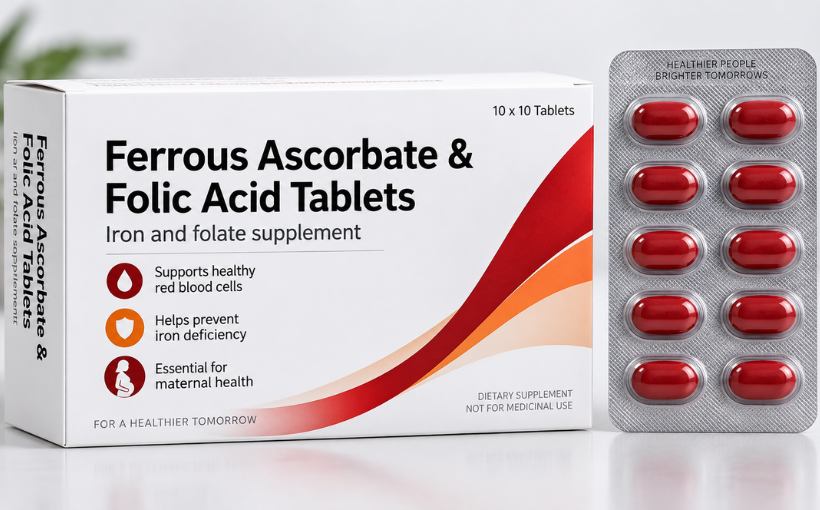
The pharmaceutical market is growing, and so are opportunities for pharmaceutical companies, distributors, and other allied businesses. Starting a pharma business is much easier than setting up a manufacturing facility. Besides capital for the plant and equipment, one needs to invest in people, processes and infrastructure to comply with technical and quality regulations. For several businesses, opting for a third-party manufacturing company is a viable option to delay the investment of time and money for building a pharmaceutical manufacturing facility. As a pharmaceutical third-party manufacturer, we take on the responsibility of producing the formulations as per the requirements defined by our client, including specifications, quantity, packaging, and timely supply.
A third-party manufacturing partner handles the production process according to agreed product specifications, packaging requirements, quantities, and timelines. This allows pharmaceutical businesses to concentrate on branding, marketing, distribution, and business development while the manufacturing partner manages production and quality-related processes.
What Is Third-Party Pharmaceutical Manufacturing?
Third-party pharmaceutical manufacturing is a business arrangement in which one pharmaceutical company manufactures medicines or healthcare products for another business. The products can be marketed under the client’s own brand, subject to applicable regulatory and contractual requirements.
Pharmaceutical business operations require various interconnected activities. These activities include construction and equipping of facilities, procurement and training of personnel, and establishment of quality assurance systems. Pharmaceutical businesses also need to ensure that other processes, including the procurement of raw materials and the packaging and facilitation of the movement of finished products, are in place. Unimarck Pharma is involved in several activities related to the manufacture of pharmaceuticals. Our company has the capability to produce a wide range of pharmaceutical products. We are always willing to engage in new business ventures.
Why Businesses Choose a Third-Party Manufacturing Company
Setting up a pharmaceutical manufacturing facility involves multiple operational requirements. Businesses need suitable infrastructure, production equipment, trained personnel, quality control systems, raw materials, packaging capabilities, and regulatory processes. Working with an established manufacturer can help reduce the operational burden associated with setting up production independently.
Some key benefits include:
- Reduced Manufacturing Investment– Businesses can avoid the large initial investment associated with establishing their own production infrastructure. Instead, they can work with an experienced manufacturing partner according to their product and quantity requirements.
- Offers Variety in Pharmaceutical Dosage Forms– An established pharmaceutical manufacturer has the capability of producing various forms of pharmaceutical dosage. This is especially useful in meeting changing customer demands.
- Quality-Focused Production– Quality assurance is one of the most important factors when selecting a pharmaceutical manufacturing partner. Manufacturing facilities that follow recognized quality systems can provide structured processes for production, testing, and quality control. Unimarck Pharma states that its manufacturing operations follow quality standards and highlights WHO, GLP, GMP, and ISO certifications on its website.
- Efficient Product Development and Launch– A capable manufacturing partner can help streamline the production process, allowing businesses to focus more closely on marketing, distribution, sales, and customer development.
- Flexible Packaging and Branding– Pharmaceutical businesses may have different packaging and branding requirements. Third-party manufacturing services can support customized packaging and private-label requirements depending on the product and applicable regulations.
What to Look for in a Medicine Third-Party Manufacturing Partner
Choosing a manufacturing company should involve more than comparing prices. Businesses should evaluate the manufacturer’s facilities, quality systems, product range, experience, production capabilities, documentation, and delivery processes.
Manufacturing Experience
Experience can provide valuable insight into pharmaceutical production requirements. Unimarck Pharma states that it has been serving the pharmaceutical industry since 1984 and has more than 40 years of core experience.
Quality and Compliance
Quality systems should be a major consideration when selecting a third-party manufacturing company. Businesses should review relevant certifications, manufacturing standards, testing procedures, and quality-control practices before entering into a manufacturing agreement.
Product Range
A manufacturer with multiple dosage-form capabilities can provide greater flexibility. Unimarck Pharma’s published manufacturing information includes tablets, capsules, syrups, dry syrups, injections, ointments, creams, protein powders, nutraceutical products, and other formulations.
Production Facilities
Modern infrastructure and appropriate production technology can support consistent manufacturing processes. Businesses should understand where products are manufactured and what quality-control systems are used during production.
Reliable Supply and Delivery
Timely supply is important for pharmaceutical businesses because delays can affect distributors, retailers, healthcare customers, and market availability. A reliable manufacturing partner should clearly communicate production schedules, order quantities, packaging requirements, and delivery timelines.
Why Consider Unimarck Pharma for Third Party Manufacturing?
Unimarck Pharma (I) Ltd. presents itself as a pharmaceutical company and third-party manufacturing partner based in Mohali, Punjab. Its website highlights more than four decades of pharmaceutical experience, quality assurance, diverse product offerings, modern facilities, and supply-chain support. The company’s manufacturing information also describes services covering tablets, capsules, syrups, dry syrups, injections, ointments, creams, protein powders, and nutraceutical products. Its third-party manufacturing process can include requirement discussion, production, quality checks, packaging, and delivery.
These capabilities can make a pharmaceutical manufacturing partner relevant for different types of businesses, including pharma startups, distributors, marketing companies, PCD pharma franchise businesses, hospital supply companies, and export-oriented businesses.
How the Third-Party Manufacturing Process Works
The process generally begins with discussing the client’s product requirements. This may include the type of medicine, dosage form, quantity, packaging, branding, and expected delivery schedule. After requirements are finalized, the manufacturing team plans production according to the agreed specifications. The products are then manufactured and subjected to appropriate quality checks. Following quality approval, the products are packed according to the agreed packaging requirements and prepared for delivery.
Conclusion
Unimarck Pharma offers third-party and contract manufacturing services with a broad range of pharmaceutical formulations and highlights its long-standing industry experience, quality systems, manufacturing capabilities, and supply support. For businesses looking for third-party medicine manufacturing, working with an experienced pharmaceutical manufacturer can provide a structured way to manage production while focusing internal resources on branding, marketing, distribution, and business growth.